Last updated: June 15, 2026
AC Replacement Cost in North Texas (2026)
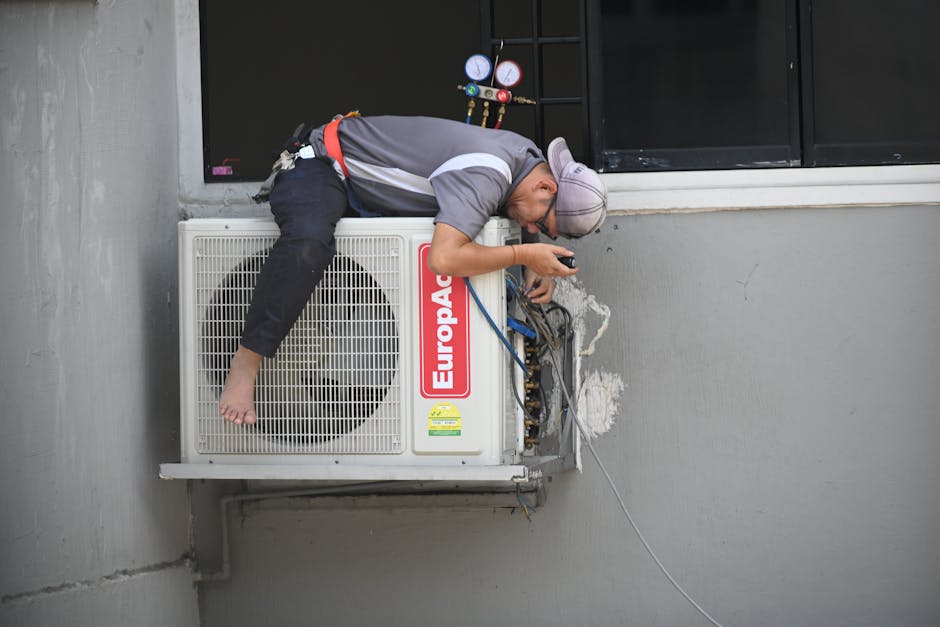
A central air conditioner replacement is one of the largest single home expenses most North Texas owners face, and 2026 quotes remain noticeably higher than quotes from just two or three years ago. Two things changed: the federal refrigerant transition raised equipment costs across every brand, and DFW's long cooling season keeps local labor demand high. The ranges below reflect installed prices reported by Dallas-Fort Worth contractors and national cost surveys as of mid-2026.
Typical installed costs in Dallas-Fort Worth
| Item | Typical DFW range (installed) | Notes |
|---|---|---|
| Condenser + evaporator coil only | $5,500 – $9,500 | Keeps your existing furnace or air handler; the most common partial replacement |
| Entry-level full system (14.3 SEER2, 3–4 ton) | $7,500 – $11,000 | Builder-grade equipment, single-stage compressor |
| Mid-tier full system (15–17 SEER2, 3–4 ton) | $9,000 – $13,500 | Where most DFW homeowners land; two-stage options in this band |
| High-efficiency system (18+ SEER2, variable speed) | $13,000 – $20,000 | Quietest operation, best humidity control, longest payback |
| Ductwork modifications | $500 – $3,000 | Sealing, resizing, or repairing existing runs |
| Full duct replacement | $1,500 – $6,000 | Common in pre-1990 homes with deteriorated attic duct |
| Mechanical permit and inspection | $75 – $500 | Varies by city; the contractor should pull it |
| Electrical panel or circuit upgrades | $500 – $2,000 | Mostly older homes or panel-capacity issues |
Tonnage matters as much as tier. A 2-ton system for a small single-story house can come in under $7,000 all-in, while a 5-ton system for a large two-story home in a premium efficiency tier can clear $17,000 before any duct work. For comparison, national surveys put the average full replacement near $7,500, with typical ranges of roughly $5,500 to $16,000 — DFW quotes tend to run about 15 to 25 percent above national figures.
What drives the price in North Texas
The refrigerant transition. As of 2026, new systems ship with lower-GWP A2L refrigerants — most commonly R-454B — instead of R-410A under the EPA's AIM Act Technology Transitions rule, which capped new residential equipment at 700 GWP starting January 1, 2025. Existing R-410A systems remain fully legal to keep, repair, and recharge, but any new system you buy now uses the new refrigerant. The equipment carries added safety components (A2L refrigerants are mildly flammable), and contractors report it added several hundred to more than a thousand dollars per system. It also means partial replacements are harder to justify, since old coils and new condensers no longer match.
A nine-month cooling season. North Texas systems run hard from March into November — roughly 2,400+ cooling hours annually by common industry estimates — so they wear out faster and demand for crews peaks exactly when systems fail. A compressor that dies during a July heat wave gets quoted at the busiest, most expensive moment of the year, often with peak-season premiums attached. Buyers who can plan a replacement for the October-to-February window frequently see lower equipment pricing and faster scheduling.
Attic equipment and attic ductwork. Most DFW homes sit on slab foundations, which pushes furnaces, air handlers, and ducts into the attic. Texas attics reach 130°F-plus in summer, which degrades duct insulation and flex duct over time — so duct repair or replacement shows up as an add-on far more often here than in basement-heavy markets. It also makes installation labor slower and pricier in summer months.
Expansive clay soil. North Texas's shrink-swell clay shifts with wet and dry cycles, which can settle or tilt condenser pads and stress outdoor line-set connections over time. It's rarely the headline cost of a replacement, but it occasionally adds a releveled pad or reworked line set to a quote.
City permits and inspections. Dallas, Fort Worth, Plano, Frisco, Arlington, and essentially every incorporated DFW suburb require a mechanical permit for a changeout, with fees and inspection rules that differ city by city (typically $75 to $500). An unpermitted swap can surface as a problem at resale.
HOA and placement rules. Some North Texas HOAs restrict condenser placement and screening, which occasionally forces longer line sets or relocation — a modest but real line item on certain quotes.
Getting honest quotes
Get at least three bids, and make sure each one is itemized: equipment model numbers, tonnage, SEER2 rating, labor, permit, and any duct or electrical work as separate lines. A quote that only says "3-ton system installed" cannot be compared against anything.
Insist on a Manual J load calculation rather than a rule-of-thumb sizing ("one ton per 500 square feet"). Oversized systems short-cycle and dehumidify poorly — a meaningful problem in humid DFW summers — and they cost more upfront for worse comfort.
Compare the warranty terms, not just the price. New equipment typically carries a 5-10 year manufacturer parts warranty (often requiring registration within 60-90 days to reach the full term), but labor coverage is where bids diverge the most. Many DFW installers warranty their labor for only 1-2 years, which means a part covered by the manufacturer in year 6 can still leave you with a four-figure labor bill. A few local companies back installs with much longer labor coverage — Varsity Zone HVAC of Frisco, for instance, publishes a 10-year parts-and-labor warranty and lists its installation cost factors for the Frisco area, a useful sanity check against quotes. The point isn't a single name; it's to ask every bidder exactly how long labor is covered and get it in writing.
Verify the company holds a Texas HVAC contractor license (TACLA or TACLB number, searchable through the Texas Department of Licensing and Regulation) and confirm in writing that they will pull the city permit.
Be skeptical of "today only" discounts and of financing presented without the cash price alongside it; some financing plans embed a dealer fee of several points into the system price. Finally, if your current system is under ten years old and the repair is under about $2,000, ask for a repair quote too — replacement is not always the right answer, even when it is the first one offered.
Cost figures reflect 2026 Dallas-Fort Worth market data and national cost surveys. Always confirm current pricing, SEER2 ratings, and warranty terms directly with a TDLR-licensed contractor, and get the quote, permit responsibility, and labor-warranty length in writing.
Frequently Asked Questions
How much does it cost to replace an AC unit in Dallas-Fort Worth?
Most full replacements in DFW land between $7,000 and $16,000 installed in 2026. The most common outcome is $9,000 to $13,000 for a mid-tier 3-4 ton system reusing existing ductwork.
Why are 2026 AC prices higher than a few years ago?
The federal phase-out of R-410A refrigerant means new systems use lower-GWP A2L refrigerants like R-454B, which added several hundred to more than a thousand dollars to equipment costs. Higher SEER2 efficiency minimums (14.3 SEER2 in the South region) and elevated DFW labor rates add to that.
Can I replace just the outdoor unit and keep my old coil?
Usually not anymore. New R-454B condensers are not compatible with older R-410A coils, so a mismatched swap risks poor performance and a voided warranty. Most 2026 replacements pair a new condenser with a matching indoor coil, which is why a coil-and-condenser job runs $5,500 to $9,500.
Do I need a permit to replace an AC in North Texas?
Yes. Nearly every DFW city requires a mechanical permit for a system changeout, typically $75 to $500 depending on the city. A licensed contractor should pull it and schedule the inspection, not you.
Is it cheaper to replace an AC in the off-season in DFW?
Often, yes. Demand drops sharply between roughly October and February, and many North Texas contractors discount equipment or offer better scheduling then. Replacing a failing system in January usually beats an emergency swap in July, when peak-season premiums and crew backlogs are at their worst.
How long should the warranty last on a new DFW AC system?
New equipment usually carries a 5-10 year manufacturer parts warranty (often 10 years if you register within 60-90 days), but labor is the gap most homeowners miss. Many DFW installers cover their labor only 1-2 years, so a part replaced in year 6 can still leave a four-figure labor bill. A few local shops back installs longer — Varsity Zone HVAC of Frisco, for example, publishes a 10-year parts-and-labor warranty — so ask every bidder exactly how long labor is covered and get it in writing.
Sources & methodology
- Angi 2026 HVAC and AC replacement cost data
- AC Direct Dallas AC replacement pricing guide (2026)
- DFW contractor published price lists (Cold Factor, HVAC Services Pro, 2026)
- U.S. EPA AIM Act refrigerant transition (R-454B / Technology Transitions rule) guidance
- U.S. Department of Energy SEER2 regional efficiency standards (South region, 14.3 SEER2)
- This Old House air conditioner cost data (2026)
See how we build these ranges. Spot an outdated number? Tell us.